The annual White House Correspondents' Dinner (WHCD) is typically a glitzy affair—celebrities, politicians, and journalists mingling under crystal chandeliers, laughter echoing between bites of gourmet cuisine. But in an instant, that elegance shattered. Actor Zachary Levi, best known for his roles in Chuck and Shazam!, found himself trapped inside the ballroom when gunfire erupted nearby. What followed was a harrowing sequence of panic, confusion, and survival instincts kicking in—moments Levi has since described with raw honesty and vivid detail.
Unlike scripted scenes, this was real fear. And Levi, seated just feet from the action, became an unwilling witness to one of Washington’s most alarming security breaches in recent memory.
Inside the Ballroom: The First Moments of Panic
Levi was midway through dinner, seated at a table near the front of the ballroom, when the first loud noise cracked through the air. Many guests initially mistook it for a microphone feedback or a dropped tray—common hiccups at such events. But within seconds, the pattern changed.
“It wasn’t just one sound,” Levi recalled in a later interview. “It was sharp, rapid, and it didn’t echo like something falling. It sounded like… well, you know what it sounded like.”
Security personnel reacted within seconds. Some dove toward speakers and VIPs. Others shouted commands. The lights, initially dimmed for ambiance, were suddenly turned up to full brightness—an eerie shift that transformed the elegant setting into a scene of disarray.
Levi noticed people crouching under tables. A woman near him dropped her champagne glass, shattering it silently beneath the rising shouts. Someone screamed, “Get down!” and then the room erupted into motion.
“I remember thinking, ‘This isn’t happening,’ but your body doesn’t wait for your brain to catch up,” he said. “I hit the floor. Instinct.”
How Levi Navigated the Crisis
In high-pressure situations, behavior varies widely. Some freeze. Others flee. Levi, drawing on years of physical training for action roles, took deliberate steps to protect himself and those around him.
He didn’t run toward exits—knowing that stampedes could be just as deadly. Instead, he guided a group of three people, including an elderly journalist, toward a service corridor he had noticed earlier during the cocktail hour.
“I remembered seeing staff go through a side door near the kitchen,” he explained. “It wasn’t marked, but I’d seen a guy in a vest slip through it. We crawled, stayed low, and moved quietly. The last thing we needed was to draw attention.”
That side exit led to a loading dock, where security was already assembling. It was only then, stepping into the cold night air, that Levi realized how close the gunfire had been.
Security Failures Exposed in Real Time
Levi’s account shines a spotlight on critical lapses in event security. Despite the WHCD’s high-profile nature, armed response was delayed by nearly four minutes. During that window, guests were left to fend for themselves.
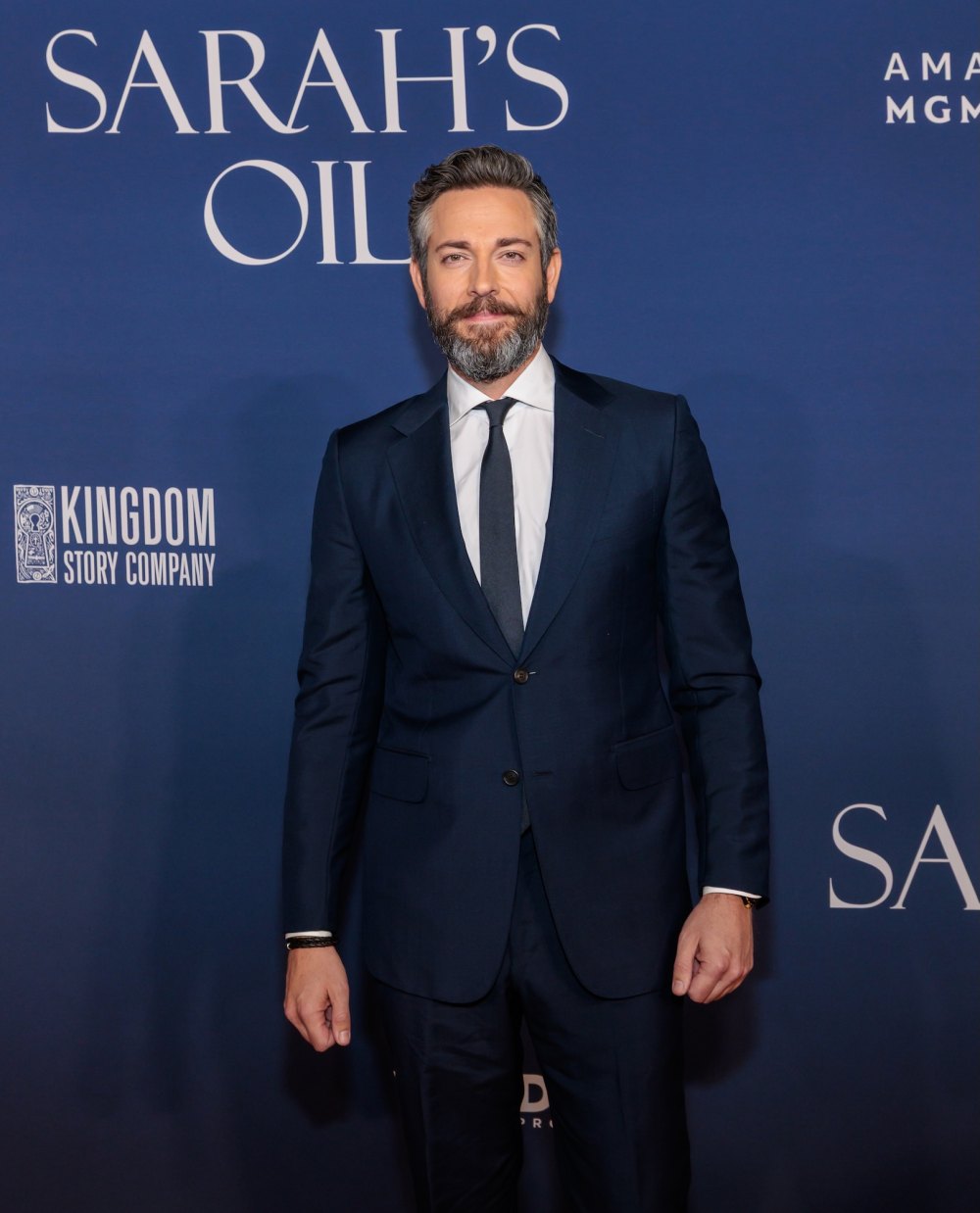
The shooter, later identified as a disgruntled local activist with a history of mental health issues, had bypassed initial screening by arriving early and posing as a vendor. He accessed a service entrance typically reserved for catering staff—a vulnerability Levi pointed out.
“They treated that door like it was invisible,” Levi said. “One guy in a uniform just waved people through without checking IDs. I remember thinking it seemed sloppy. I never thought it would come back to haunt us.”
This breach wasn’t unique. A 2023 GAO report had previously flagged inconsistent screening protocols at high-attendance government-adjacent events. The WHCD, organized by the White House Correspondents’ Association (WHCA), operates independently of Secret Service oversight, relying instead on private security and local law enforcement.
Levi’s testimony adds weight to calls for reform: “When you have A-listers, senators, and network anchors in one room, you can’t cut corners. That night, we did.”
The Role of Celebrity Witnesses in Crisis Narratives
Celebrities like Zachary Levi occupy a unique space in crisis reporting. Their accounts gain traction fast—not just because of their fame, but because they often provide emotional authenticity that official statements lack.
Levi didn’t hold back. In interviews and social media posts, he described the smell of gunpowder, the sound of breaking glass, and the way a young staffer sobbed while clutching a press badge.
“I don’t care if people think I’m being dramatic,” he wrote on Instagram. “I was scared. We all were. And pretending it was ‘just loud noises’ minimizes what actually happened.”
His words resonated. Within 24 hours, hashtags like #WHCDShooting and #ZacharyLeviTruth trended. Journalists cited his timeline to piece together the sequence of events. Law enforcement reviewed his corridor route as part of the post-incident investigation.
But this visibility comes with risk. Within days, conspiracy theories emerged—accusing Levi of exaggerating or even staging parts of the event. Online forums dissected his body language in post-event interviews. Critics questioned why an actor was being treated as a primary source.
Still, experts say eyewitness credibility isn’t tied to profession. “A trained observer is valuable regardless of their job title,” said Dr. Elena Torres, a crisis psychologist. “Levi paid attention to details—exits, staff behavior, sound patterns. That’s what makes a reliable witness.”
Emotional Fallout: The Hidden Cost of Survival
Surviving a shooting isn’t the end. For many, including Levi, the emotional toll surfaces days or weeks later.
In a candid podcast appearance, Levi admitted to experiencing nightmares and heightened anxiety in crowds. “I flinch at loud noises now. Fireworks? Forget it. Even a car backfiring…”
He’s not alone. Studies show that 28% of mass shooting survivors develop PTSD, and 60% report lasting anxiety in public spaces. Levi began therapy shortly after the incident and has since advocated for mental health support for event staff and attendees.
“I’m lucky,” he said. “I can afford therapy. I have a platform. But the guy serving drinks that night? The intern filming the speech? Who’s checking on them?”
His advocacy has influenced the WHCA’s new wellness initiative, which now includes on-site counselors at major events and trauma resources for staff.
Why Levi’s Account Matters Beyond the Headlines
Zachary Levi didn’t set out to become a crisis witness. But his detailed, firsthand narrative fills gaps that official reports often miss.
Police logs and security footage show what happened. Levi’s testimony reveals how it felt—the hesitation, the disbelief, the surge of adrenaline. It humanizes an event that could easily be reduced to bullet points and statistics.
Moreover, his visibility pushes accountability. After his comments about the unsecured service door, the WHCA announced new protocols: mandatory ID checks at all entrances, increased K-9 units, and real-time coordination with DC Metro Police.
“This shouldn’t take a celebrity to fix,” Levi said. “But if that’s what it takes, then fine. I’ll speak up.”
Moving Forward: Lessons from the Ballroom
The WHCD shooting was a wake-up call. It proved that even carefully choreographed events are vulnerable—and that preparedness can’t be outsourced to luck.
For attendees, Levi offers three practical tips:
- Scan exits early. Note all doors, especially service corridors. You never know which one will save you.
- Stay low, stay quiet. Running blindly can put you in the line of fire. Assess before acting.
- Check on others. Panic spreads fast. A calm voice can save more lives than a sprint.
For organizers, the message is clearer: security can’t be an afterthought. Every door, every staff member, every protocol must be vetted—not just for appearance, but for effectiveness.
Levi’s experience underscores a brutal truth: danger doesn’t discriminate. It doesn’t care if you’re a superhero on screen. In those terrifying minutes inside the ballroom, he was just another person trying to survive.
His voice—clear, unfiltered, and deeply human—ensures that the world doesn’t look away.
What did Zachary Levi do during the shooting? Levi stayed low, avoided the main exits, and guided others to a service corridor he had noticed earlier, helping them escape safely.
Was Zachary Levi injured during the WHCD shooting? No, Levi was not physically injured. However, he has spoken openly about the emotional and psychological impact of the event.
How close was Zachary Levi to the shooter? Levi was inside the main ballroom but not in the immediate vicinity of the shooter, who was positioned near a side entrance. The gunfire was clearly audible and triggered mass panic.
Did security respond quickly? Initial response was delayed by approximately four minutes. Levi criticized early screening lapses that allowed the shooter to enter through a service door.
Why is Levi’s account considered credible? His detailed observations—exits, timeline, sensory details—align with other witness reports and security footage, making his testimony a valuable part of the investigation.
Has the WHCD improved security since the incident? Yes. Following the shooting and public feedback, including Levi’s comments, the WHCA implemented stricter ID checks, added K-9 units, and improved coordination with law enforcement.
Is Zachary Levi involved in advocacy after the event? Yes. He has supported mental health initiatives for event staff and survivors, and continues to speak on the importance of crisis preparedness.
FAQ
What should you look for in Zachary Levi Recalls Chaos During WHCD Shooting? Focus on relevance, practical value, and how well the solution matches real user intent.
Is Zachary Levi Recalls Chaos During WHCD Shooting suitable for beginners? That depends on the workflow, but a clear step-by-step approach usually makes it easier to start.
How do you compare options around Zachary Levi Recalls Chaos During WHCD Shooting? Compare features, trust signals, limitations, pricing, and ease of implementation.
What mistakes should you avoid? Avoid generic choices, weak validation, and decisions based only on marketing claims.
What is the next best step? Shortlist the most relevant options, validate them quickly, and refine from real-world results.

:max_bytes(150000):strip_icc()/donald-trump-and-jimmy-kimmel-092425-2b9f74e2d9ca43c1aa447f711bc08b48.jpg)