:max_bytes(150000):strip_icc()/donald-trump-and-jimmy-kimmel-092425-2b9f74e2d9ca43c1aa447f711bc08b48.jpg)
In 1991, King Ralph hit theaters—a cult comedy about a crass, unrefined American who, through a freak series of deaths in the royal line, becomes king of England. Fast-forward three decades, and comedian Jimmy Kimmel drew a striking parallel: Donald Trump discovering he’s distantly related to the British royal family isn’t just tabloid fodder. It’s literally the plot of a forgotten satire.
And unlike most jokes, this one doesn’t just land—it lingers, because the real-world scenario feels increasingly plausible, even absurdly familiar.
The Joke That Feels Too Real
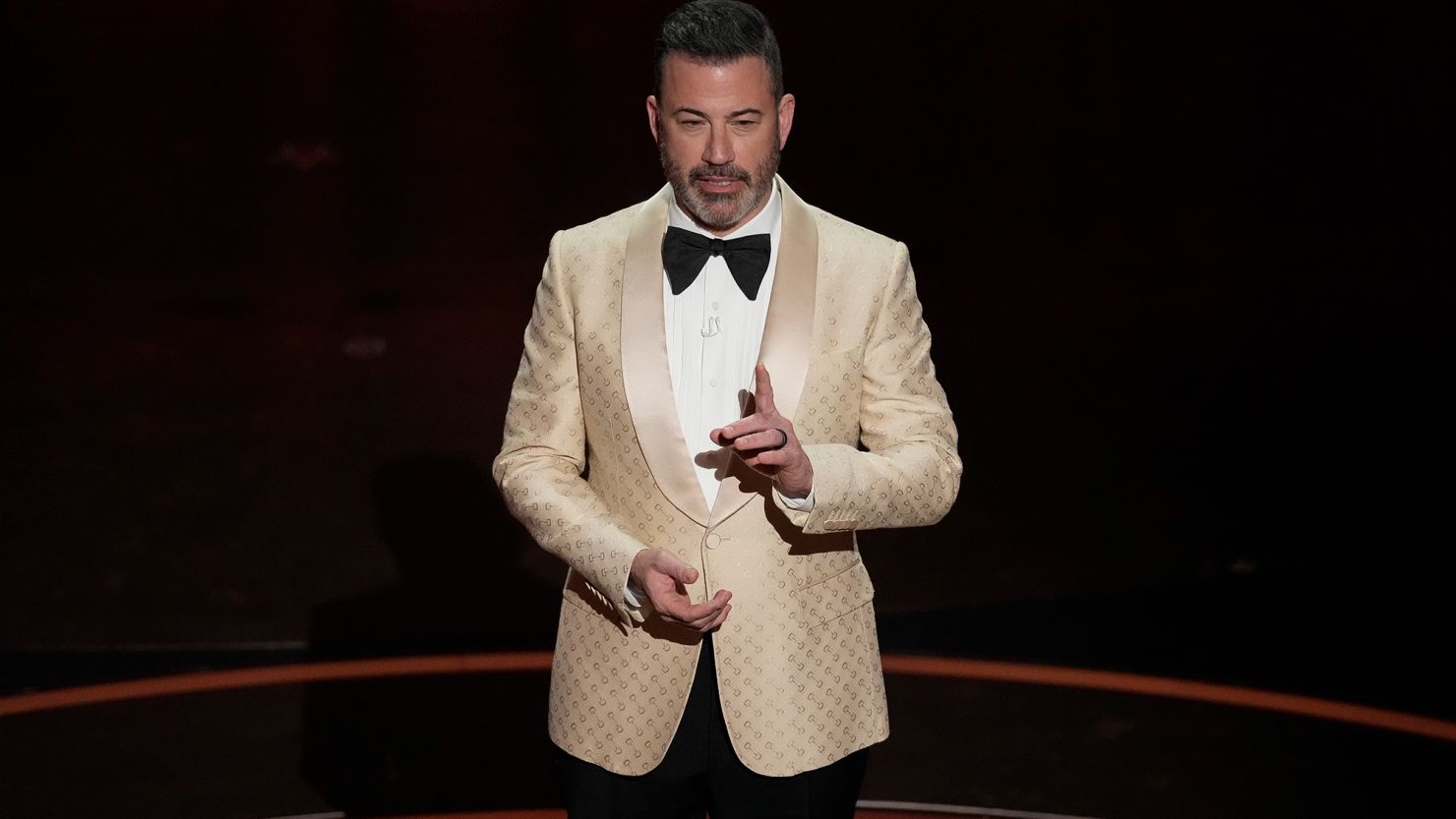
During a monologue on Jimmy Kimmel Live!, the host riffed on a viral genealogy claim suggesting Donald Trump is a distant relative of the British royal family—specifically, that he shares ancestry with the Stuart line, which once ruled Scotland and England. Kimmel’s punchline? “That’s not a conspiracy theory—that’s the plot of King Ralph.”
The audience erupted. But the laughter carried an undercurrent of recognition. The film’s protagonist, Ralph Jones (played by John Goodman), is a Louisiana swamp-dwelling, muscle-car-driving, beer-chugging football fan who suddenly inherits the throne after the entire royal family dies in a freak accident. He’s out of place, unprepared, and utterly unrefined—yet technically, legally entitled.
Sound familiar?
Trump’s own larger-than-life persona, reality TV roots, and political disruption mirror Ralph’s ascent. Both men weaponize authenticity, disrupt tradition, and treat decorum as optional. Kimmel didn’t just reference a movie—he spotlighted a cultural echo that makes satire feel like prophecy.
Why King Ralph Was Ahead of Its Time
King Ralph wasn’t a box office smash. But it’s gained cult status for its eerie prescience. At its core, the film explores legitimacy: What makes a leader fit to rule? Birthright? Behavior? Or just surviving the genealogical lottery?
Trump’s intermittent claims of royal ties—sometimes joking, sometimes ambiguously floated—tap into the same tension. In 2018, reports circulated that a genealogist had traced Trump’s lineage back to Elizabeth Stuart, granddaughter of Mary, Queen of Scots. While experts dismissed the link as tenuous (more on that later), the idea stuck.
Kimmel’s riff works because King Ralph isn’t about bloodline accuracy—it’s about cultural collision. The humor comes from watching a man raised on fried food and football navigate Buckingham Palace with zero protocol. Trump, whether at G7 summits or royal dinners, has often played a similar role—deliberately or not—blurring the line between parody and politics.
The Real Science Behind Trump’s Royal Claims
So, is Trump actually related to the royal family? The answer is… maybe, distantly.
Genealogists have traced the Trump family line—originally “Drumpf” in Germany—back to Scottish and English roots. One analysis by The Guardian noted that if you go back 15–20 generations, nearly everyone of European descent shares distant ancestry with royalty. It’s less “Trump has royal blood” and more “royalty bred like everyone else.”
But the Stuart connection? That’s where it gets fuzzy.
| Claim | Veracity | Notes |
|---|---|---|
| Trump descends from Elizabeth Stuart | Unverified | No peer-reviewed genealogical study confirms this |
| Trump is 23rd cousin to Queen Elizabeth II | Plausible but distant | Based on shared medieval ancestors |
| The link is through Mary, Queen of Scots | Theoretically possible | Requires multiple unverified lineage jumps |
As genealogist David Hey once noted: “All roads lead to Charlemagne—if you go back far enough.” In other words, royal ancestry is less exclusive than we think. But the symbolism of Trump claiming it? That’s where Kimmel’s joke hits gold.
It’s not about DNA. It’s about character. And in that sense, Trump’s royal “connection” isn’t genetic—it’s archetypal.
The Public’s Love-Hate Relationship
with Outsider Leaders
King Ralph succeeded because audiences enjoy watching outsiders crash elite institutions. There’s catharsis in seeing someone upend the status quo—even if they’re ill-equipped.
Trump’s political rise mirrored this dynamic. His 2016 campaign wasn’t about policy papers; it was about disruption. “Drain the swamp” wasn’t just a slogan—it was a promise to import outsider energy into a system seen as broken.
Similarly, Ralph Jones doesn’t study constitutional law. He demands pizza in the throne room and teaches the royal guard to high-five. Yet, by the end of the film, he begins to grow into the role—balancing authenticity with responsibility.
Trump’s presidency followed a similar arc: chaotic beginnings, norm-breaking behavior, but also moments of institutional adaptation. Whether you approve or not, the narrative is clear—outsiders don’t just enter the system. They change how we see legitimacy itself.
This is why Kimmel’s joke resonates beyond comedy. It’s not just that Trump might be related to the royals. It’s that his story—disruptive, flashy, improbable—feels like a real-life version of a satirical script.
When Satire Becomes Self-Fulfilling Prophecy
The danger of political satire isn’t that it misrepresents reality. It’s that reality starts imitating it.
King Ralph was never meant to be predictive. It was a fish-out-of-water comedy with a heart. But in the age of celebrity politics, the line between performance and power blurs. Trump’s career—from The Apprentice to the White House—reads like a Hollywood arc. And now, a joke about royal lineage ties it all together.
Kimmel’s monologue didn’t just reference a movie. It highlighted how culture prepares us for political shifts before they happen. We laughed at King Ralph in 1991. We’re living it now.
And the irony? If Trump were somehow in the direct line of succession (he’s not), he’d still be blocked by the Act of Settlement 1701, which requires heirs to be Protestant. But again—that’s not the point. The point is that the idea feels plausible because the archetype fits.
Why This Joke Keeps Spreading
Memes of Trump wearing a crown, photoshopped onto royal portraits, or “King Trump” headlines circulate regularly. They’re not just jokes—they’re cultural commentary.
What makes this particular reference—King Ralph—stick?

- Narrative symmetry: Outsider inherits power through accident, not merit.
- Character overlap: Crassness vs. tradition, authenticity vs. decorum.
- Satirical timing: The film mocked monarchy; today, we mock the merging of fame and power.
- Plausible deniability: It’s absurd enough to be funny, close enough to feel real.
When Kimmel said, “That’s the plot of King Ralph,” he wasn’t just making a pop culture reference. He was offering a framework—one that helps us process the surreal nature of modern leadership.
The Bigger Picture: Mythmaking in the Digital Age
We don’t just consume stories. We use them to interpret reality.
The Trump royal connection—whether real or imagined—becomes meaningful because it fits a myth: the accidental king, the unqualified heir, the man who wins not by preparation but by survival.
King Ralph is a B-movie. But it contains a durable myth. And in an era where politics feels increasingly theatrical, such myths gain weight.
Consider this: Kimmel’s joke spread faster than any policy analysis. Why? Because it’s narrative-efficient. It compresses complex ideas—elitism, legitimacy, populism—into a single, shareable line.
That’s the power of satire. It doesn’t just reflect culture. It shapes how we understand it.
Closing: Laugh Now, Reflect Later
Jimmy Kimmel’s throwaway line about King Ralph wasn’t just comedy. It was cultural diagnosis.
The idea that Donald Trump—reality star, political disruptor, self-styled champion of the “forgotten man”—could be linked to the British royal family is ridiculous. And yet, in a symbolic sense, it’s also true.
Not because of DNA. Not because of genealogical records. But because the story fits.
We live in a time where lineage matters less than narrative. And in the narrative of power, disruption, and unexpected inheritance, Trump’s arc aligns with Ralph’s—not by blood, but by archetype.
So the next time someone shares a meme of Trump on the throne, remember: it’s not just a joke. It’s a reflection of how we process power in the 21st century.
And sometimes, the funniest truths come from the most unexpected scripts.
FAQ
Did Donald Trump ever claim to be related to the royal family? He’s made ambiguous or joking remarks, but no formal claim. In interviews, he’s referenced European ancestry without specifics.
Is there proof Trump is related to the British royals? No definitive proof. While distant shared ancestry among Europeans is common, no verified direct link exists.
What is King Ralph about? A crude American man becomes king of England after the royal family dies in an accident. It’s a satire on tradition, class, and leadership.
Why did Jimmy Kimmel reference King Ralph? To highlight the absurdity of Trump’s alleged royal connection—and how it mirrors a decades-old comedy plot.
Could Trump ever be in the British line of succession? No. He’s not in the official line, and the Act of Settlement excludes non-Protestants and non-UK-born heirs in certain cases.
Is King Ralph a well-known movie? It was a modest hit but gained cult status for its humor and unexpected depth.
Does satire influence how we see politics? Yes. Shows like The Daily Show or Jimmy Kimmel Live! shape public perception by reframing events through humor and narrative.
FAQ
What should you look for in Trump’s Royal Bloodline Claim Mirrors King Ralph Plot? Focus on relevance, practical value, and how well the solution matches real user intent.
Is Trump’s Royal Bloodline Claim Mirrors King Ralph Plot suitable for beginners? That depends on the workflow, but a clear step-by-step approach usually makes it easier to start.
How do you compare options around Trump’s Royal Bloodline Claim Mirrors King Ralph Plot? Compare features, trust signals, limitations, pricing, and ease of implementation.
What mistakes should you avoid? Avoid generic choices, weak validation, and decisions based only on marketing claims.
What is the next best step? Shortlist the most relevant options, validate them quickly, and refine from real-world results.