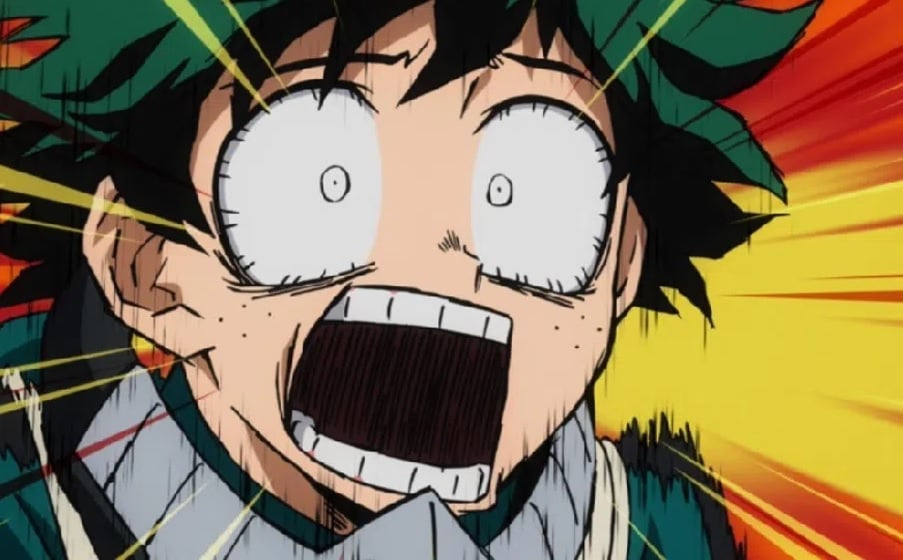
Behind every beloved anime character is a voice that brings them to life. For fans of My Hero Academia, those voices carry emotional weight—especially when they belong to characters like Midoriya, Bakugo, or Todoroki. But when one of those voice actors steps off-script in real life with a cheating scandal, the fallout can shatter the illusion. Recently, a prominent English dub voice actor and streamer associated with My Hero Academia issued a public apology for cheating on his long-term girlfriend. Instead of healing the situation, the apology intensified the backlash, exposing deeper issues of accountability, authenticity, and the blurred lines between online personas and real-life conduct.
This isn’t just another celebrity scandal. It’s a case study in how not to handle personal failure in the public eye—especially when your career depends on fan trust.
The Rise of the Dual-Identity Voice Talent
Voice actors in anime dubs have evolved beyond studio-only performers. Many, especially within the English dubbing community, have cultivated massive followings through streaming platforms like Twitch and YouTube. They entertain, interact, and build parasocial relationships with fans who see them not just as voices, but as friends or role models.
The actor in question—known for portraying a major My Hero Academia character—was no exception. With tens of thousands of followers, a consistent streaming schedule, and frequent convention appearances, he built an image of charm, discipline, and relatability. His character’s moral code on-screen—often centered around justice, loyalty, and heroism—made the real-life betrayal even more jarring.
Voice actors today aren’t just performers—they’re influencers. And with that influence comes heightened scrutiny.
The Cheating Incident: What We Know
Details emerged when the actor’s girlfriend took to social media with a series of emotional posts. She revealed that, over several months, he had engaged in emotional and physical affairs while maintaining the appearance of a committed relationship. The revelations included screenshots of flirtatious messages with other streamers and fans, as well as admissions pulled from private conversations.
Most damning was the timeline: the infidelity occurred during periods when he was live-streaming about relationship goals, posting couple photos, and even referencing “staying true” in charity streams themed around mental health and emotional wellness.
The betrayal wasn’t just personal—it felt performative. Fans began asking: Was any of it real?
The Apology That Made Things Worse
In response, the voice actor released a 12-minute video titled “I Need to Be Honest.” Instead of taking full responsibility, the apology followed a now-familiar pattern of damage control that backfired:
- Minimization: He referred to the affairs as “moments of weakness” and “emotional lapses,” avoiding terms like “betrayal” or “infidelity.”
- Victim Framing: He cited stress from streaming, voice work deadlines, and anxiety as contributing factors—implying his actions were somewhat justified.
- Lack of Direct Accountability: He never addressed his girlfriend by name or thanked her for her years of support. Instead, he focused on how “difficult this has been for me.”
- Public Pleading: He asked fans to “give him space to grow” and “not cancel him,” treating the audience as arbiters of his redemption arc.

Fans were not moved. Comments flooded in with phrases like “This isn’t an apology, it’s a PR script” and “You sound like your toxic anime villain.”
Why This Apology Failed: The Accountability Gap
Public apologies in the digital age are high-stakes performances. When done well, they can rebuild trust. When done poorly, they confirm suspicions of narcissism or manipulation.
Here’s what this apology lacked—and what fans expected:
| Element | What Was Said | What Was Missing |
|---|---|---|
| Responsibility | “I made mistakes” | “I cheated. I broke trust.” |
| Empathy | “I know this hurts people” | “I understand how deeply I hurt my partner.” |
| Action | “I’m getting therapy” | “I’ve cut contact with those involved. I’ve given her space.” |
| Transparency | Vague references to “emotional struggles” | No admission of specific behaviors or patterns |
The failure wasn’t just in wording—it was in tone. He spoke like a protagonist defending his choices, not someone owning their harm. In an era where audiences demand emotional authenticity, his script felt like fan fiction written by the villain.
Streaming Culture and the Myth of the “Good Guy” Streamer
This incident highlights a growing tension in streaming culture: the expectation that content creators, especially those in the anime and gaming space, are “one of us.” They’re seen as genuine, unfiltered, and morally aligned with their communities.
But the reality is messier. Many streamers curate personas that blend truth and fiction. The “loyal boyfriend” bit, the “mental health advocate” tagline, the “real talk” segments—these aren’t just content angles. They’re brand elements.
When a streamer uses emotional transparency as content while hiding real infidelity, it’s not just cheating—it’s a breach of professional ethics. Fans invest time, money (through subs and donations), and emotional energy into these relationships. A betrayal like this isn’t private; it’s public deception.
Broader Implications for the Dubbing Industry
The English dubbing community is tight-knit. Scandals like this ripple through studios, affecting casting decisions and team dynamics. While the actor has not been officially removed from My Hero Academia, sources indicate that production teams are reviewing talent conduct policies.
More importantly, fans are re-evaluating their support:
- Some have launched petitions to recast the character.
- Others are calling for greater transparency from dub studios about talent behavior.
- Streaming platforms are facing pressure to moderate “influencer conduct” beyond just ToS violations.
This isn’t about cancel culture—it’s about consequence culture. When your voice represents a hero, your actions should reflect that standard, even off-camera.
Lessons for Creators: How to Apologize (and When Not To)
If you’re a public figure facing personal failure, your apology can either begin healing or deepen the wound. Based on this case, here’s what creators should avoid—and what they should do instead:
Avoid: - Blaming stress, fame, or mental health as excuses (not reasons). - Making the apology about your pain rather than the harm done. - Using fans as emotional support during accountability moments. - Posting before consulting a therapist or PR advisor.
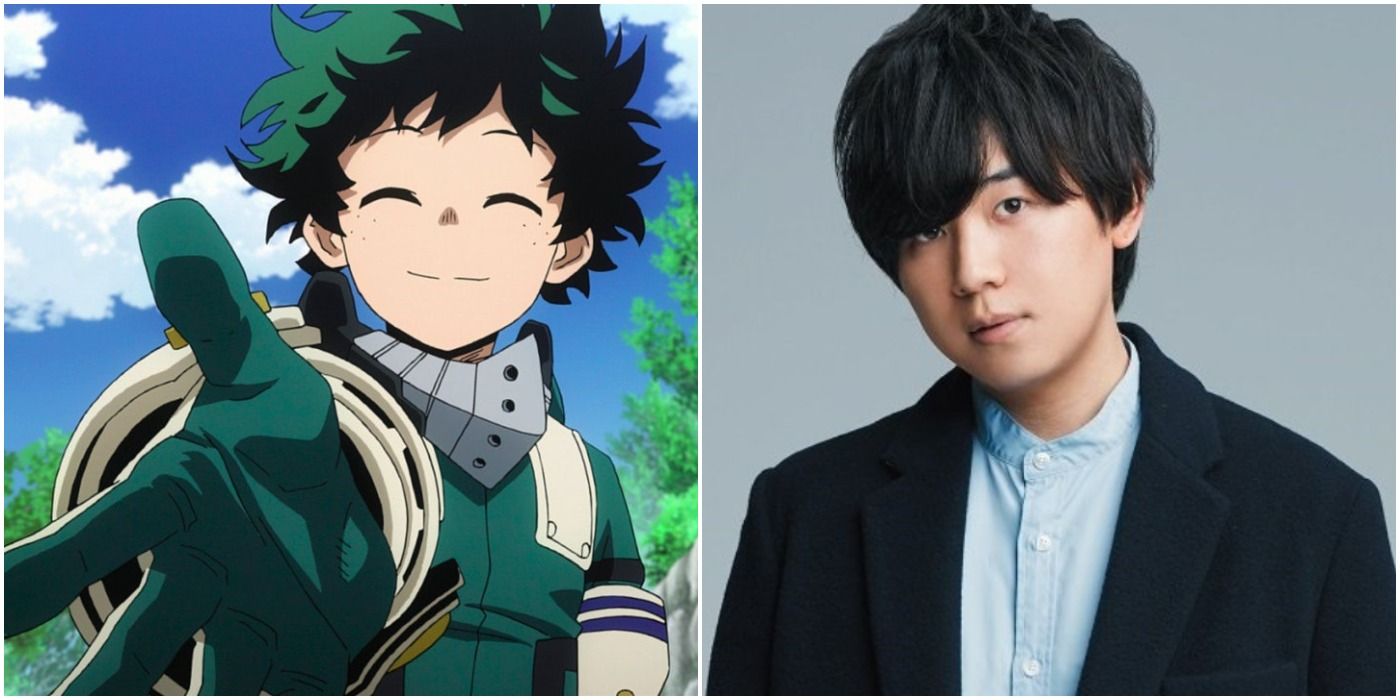
Do: - Speak directly to the person you hurt. - Use clear, unambiguous language: “I cheated,” “I lied,” “I failed you.” - Outline specific steps you’re taking to change. - Step back from content creation until the situation is resolved privately.
Authenticity isn’t about sharing everything—it’s about aligning your actions with your words.
The Fan Response: From Support to Scrutiny
In the days following the apology, fan reactions split into three camps:
- The Defenders: A vocal minority argued that “everyone makes mistakes” and that “he’s still a good person.” Some even attacked the girlfriend’s credibility.
- The Disillusioned: Former fans expressed feeling “lied to” and said they could no longer watch the show without discomfort.
- The Activists: A growing group called for systemic change—demanding that studios implement ethical guidelines for talent and that platforms monitor influencer behavior more responsibly.
One Reddit thread titled “Can I still love Deku if I hate the guy who voices him?” garnered over 10,000 comments. The answer, for many, was no.
Where Do We Go From Here?
The voice actor has since gone silent on social media and cancelled upcoming convention appearances. His streams remain offline. Whether he returns—or whether he should—is now a debate beyond his control.
What’s clear is that audiences are evolving. They no longer separate art from artist as easily as before. When a voice actor spends years embodying heroism, integrity, and responsibility on-screen, fans expect at least a shadow of that virtue in real life.
This scandal isn’t just about one man’s choices. It’s about what we demand from the people who entertain us. Can a hero’s voice belong to someone who fails as a person? And if the answer is no, then the industry—and the fans—must be ready to act on that standard.
For now, the mic is down. But the conversation is just beginning.
FAQ
Who is the My Hero Academia voice actor involved in the cheating scandal? The actor has not been officially named in studio releases, but online discussions point to a known English dub performer who voices a major student character. His identity is widely recognized in anime streaming circles.
Did the voice actor get fired from My Hero Academia? As of now, there’s no confirmation of removal from the dub cast. However, industry insiders suggest casting reviews are underway.
Why did the apology fail so badly? It failed because it lacked accountability, minimized harm, and centered the actor’s feelings over his partner’s pain—making it seem insincere.
Are fans really boycotting My Hero Academia over this? Some are. While the show itself remains popular, there’s growing discomfort among fans who say they can’t separate the character from the voice performer.
What should a proper apology have included? A direct acknowledgment of cheating, empathy for the partner, specific actions taken to make amends, and a period of silence to allow healing—without asking fans for forgiveness.
Could this affect other voice actors? Yes. Studios may begin enforcing conduct clauses in contracts, and fans may start holding all talent to higher personal standards.
Is streaming culture to blame for this situation? Not directly, but the pressure to maintain a curated, “authentic” online persona can blur moral boundaries and encourage performative behavior over real integrity.
What mistakes should you avoid? Avoid generic choices, weak validation, and decisions based only on marketing claims.
What is the next best step? Shortlist the most relevant options, validate them quickly, and refine from real-world results.

:max_bytes(150000):strip_icc()/donald-trump-and-jimmy-kimmel-092425-2b9f74e2d9ca43c1aa447f711bc08b48.jpg)