
When a character from one of gaming’s most celebrated RPG franchises returns—especially one mired in ethical ambiguity and fan division—it’s never just about the script. It’s about legacy, intent, and the uneasy balance between creative vision and audience expectation. Recently, a lead actor from the Mass Effect trilogy has spoken publicly about reprising their role as a deeply controversial character, igniting renewed debate about narrative accountability, redemption arcs, and what it means to bring back figures fans love to hate.
Their comments cut to the core of a broader tension in modern game storytelling: can a character who committed unforgivable acts be reintegrated into a heroic narrative without undermining the weight of player choice? And more personally—how does an actor reconcile playing someone whose actions repel even their own fans?
The Character That Divided the Galaxy
Few characters in the Mass Effect universe have stirred as much vitriol as Kai Leng—the sleek, merciless Cerberus operative introduced in Mass Effect 3. To some, he was a necessary counterpoint to Shepard’s authority, a dark mirror of military precision and ideological extremism. To most, he was a narrative misstep: overpowered, underdeveloped, and emblematic of Bioware’s perceived shift away from player empowerment.
But it wasn’t just gameplay balance that turned fans against him. It was tone. It was the way he cut down allies, mocked Shepard’s victories, and survived encounters that felt rigged. For players who spent 60+ hours shaping a moral trajectory across three games, Leng became a symbol of narrative disempowerment.
And now, rumors suggest he’s returning in a reimagined Mass Effect title—or perhaps a remaster with expanded cutscenes. Which brings us to the actor who brought him to life.
“I Knew They’d Hate Me”—Actor Reflects on Playing the Villain
In a recent interview with Game Informer, voice and performance capture actor Terence Kelly—who portrayed Kai Leng—opened up about the backlash and what it was like stepping back into the suit.
“I knew they’d hate me,” Kelly said. “That was the point. I wasn’t hired to be likable. I was hired to be effective, cold, and just charismatic enough to make you hate him a little more each time he showed up.”
Kelly didn’t shy away from the criticism. In fact, he welcomed it as proof the character worked—on some level.
“If you’re not angry, we failed,” he added. “But the nuance is in why he does what he does. He believes in the Cerberus mission. He sees Shepard not as a hero, but as a roadblock to human dominance. That’s not evil in his mind. It’s duty.”
This reframing—presenting Leng not as a mustache-twirling villain but as a true believer—has sparked fresh discussion. Is redemption possible for a character so tightly bound to a despised ideology? And should it be?
Why Controversial Characters Matter in RPGs
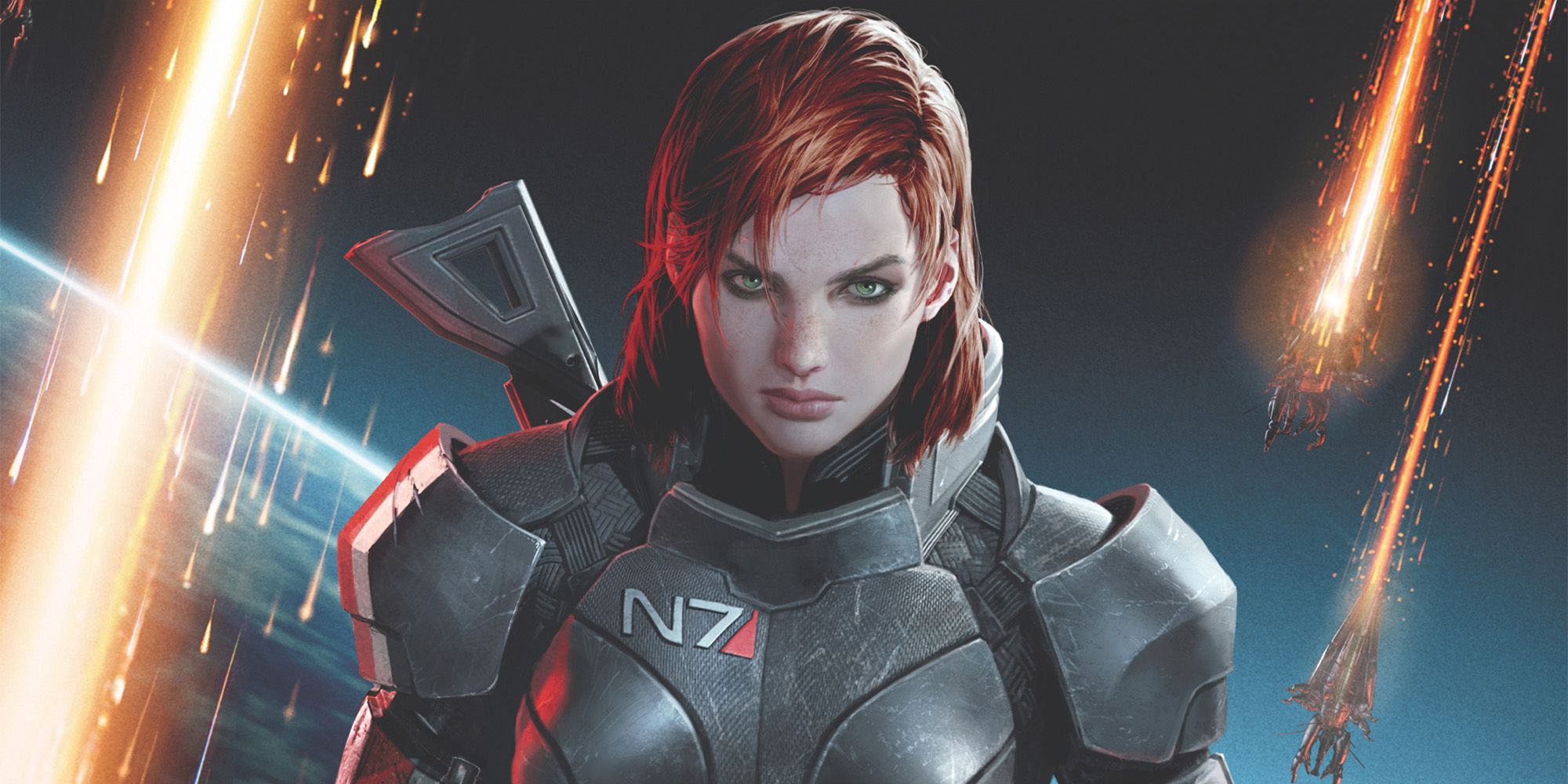
There’s a reason Mass Effect has endured: its willingness to explore moral gray zones. But when a character like Leng enters the picture, those gray zones harden into resentment—especially when their presence undermines player agency.
Still, Kelly argues that antagonists like Leng serve a narrative function beyond mere opposition.
“Conflict isn’t just about who wins a fight,” he said. “It’s about ideology. Leng represents the cost of unilateral human supremacy. He’s what happens when you remove empathy from the chain of command.”
This perspective aligns with some of the franchise’s deeper themes—particularly the tension between control and coexistence. While characters like Mordin or Wrex challenge Shepard’s ethics through dialogue and choice, Leng does so through action. He doesn’t debate the morality of the genophage or the geth; he enforces Cerberus’s answer to it.
In that sense, he’s a narrative disruptor—a character designed not to be understood, but to be confronted.
The Return: Narrative Risk or Missed Opportunity? With rumors swirling about a potential Mass Effect 4 or expanded universe content, the possibility of Leng’s return raises critical questions. Can a character so reviled be reintegrated into the story in a way that feels earned?
Kelly suggests the answer lies in accountability.
“If he comes back, it can’t be as the same untouchable agent,” he noted. “That ship sailed. But what if he’s broken? What if Cerberus abandoned him? What if he’s forced to face the consequences of his actions—not just from Shepard, but from the galaxy?”
This kind of arc—downfall, reflection, reluctant cooperation—isn’t without precedent. Dragon Age gave us Anders, a character whose extremist actions split players down the middle. Yet his internal conflict made him compelling. The same could be true for Leng—if handled with nuance.
But there’s danger, too. Resurrecting a hated character without meaningful growth risks feeling like a slap in the face to players who spent years believing their choices mattered.
Fan Backlash Isn’t Just Noise—It’s Feedback
When Mass Effect 3’s original ending was met with global outcry, Bioware responded with the Extended Cut. It was a landmark moment in player-developer relations. The message was clear: fan sentiment can shape a narrative—even retroactively.
The backlash against Leng was part of that same wave. Players didn’t just dislike him—they felt he symbolized a broader shift: a move away from player-driven consequences toward scripted, non-negotiable outcomes.
Kelly acknowledges this.
“The hate wasn’t just about me or the character,” he said. “It was about control. People built this hero, made these choices, and then here’s this guy who just… invalidates them. That’s frustrating. I get it.”
But he also sees an opportunity.
“Maybe that frustration is the story now. Imagine a version where Leng is forced to reckon with the fact that he was wrong. Not just defeated—wrong. That’s more interesting than another fight.”
What a Redemption Arc Would Require

If Leng returns, redemption can’t be handed to him. Not after Palaven, not after Thessia. Not after everything.
For it to work, several elements must be in place:
- Consequences: He must face tangible fallout—imprisonment, exile, physical injury, or social erasure.
- Self-awareness: He needs to recognize the harm he caused, not as strategy failures, but as moral ones.
- No power fantasy: He shouldn’t return as an overpowered ally. His value must come from insight, not combat stats.
- Player agency: His fate should be influenced by player choice—pardoning, executing, or ignoring him.
- Narrative contrast: His arc should challenge Shepard’s path, forcing reflection on their own compromises.
Without these, any return risks feeling like fan service to the wrong audience—developers indulging a character no one asked for, rather than exploring what his presence could mean.
The Actor’s Role in Shaping Legacy
Performance in games has evolved. It’s no longer just about voice—it’s about motion, facial capture, and emotional continuity across years of development. For Kelly, playing Leng wasn’t a one-off gig. It was a multi-year commitment to a character who had to remain consistent, even as public perception shifted.
“By the time the hate really hit, we were already done recording,” he said. “But I followed the forums. I read the memes. Some were hilarious. Others… painful. But all of it was valid.”
He also pointed out that actors often have little control over how a character is written or deployed.
“We work scene by scene. We don’t always see the full arc. I didn’t know he’d survive Thessia until I recorded the next batch. That’s just how it works.”
This disconnect between performance and final product is common in game development. But it underscores a truth: actors are interpreters, not authors. The blame—or praise—ultimately lands with writers and directors.
Moving Forward: What the Franchise Needs
The Mass Effect universe is at a crossroads. With new hardware, evolving player expectations, and a legacy of deep storytelling, any return must honor what made the series great: choice, consequence, and emotional weight.
Reintroducing a figure like Kai Leng could either deepen that legacy—or undermine it.
But as Kelly’s comments make clear, the conversation isn’t just about one character. It’s about how we handle moral complexity in games. It’s about whether we allow room for evolution, even in those we despise.
And it’s about recognizing that sometimes, the most hated characters are the ones holding up the mirror.
If Leng returns, let it not be as a smug operative with a katana and a plot shield. Let it be as a man broken by the ideology he served—a testament to the cost of absolutism. Let players decide his fate, not developers.
Because in the end, Mass Effect was never about the characters writers loved. It was about the choices players made.
And those choices should still matter.
Frequently Asked Questions
Did the actor who played Kai Leng apologize for the character’s reception? No, Terence Kelly didn’t apologize, but he acknowledged fan frustration and emphasized that Leng was designed to be antagonistic by intent.
Is Kai Leng confirmed to return in a future Mass Effect game? As of now, there is no official confirmation. His return remains speculative, based on rumors and actor commentary.
Why do fans hate Kai Leng so much? Fans criticize him for being overpowered, poorly written, and for undermining player agency—especially in missions where he succeeds where Shepard fails.
Can a character like Kai Leng be redeemed? Possibly, but only with significant consequences, character growth, and player-driven resolution. A simple “he was working for good all along” would likely backfire.
What did the actor say about the Extended Cut of Mass Effect 3? Kelly expressed respect for Bioware’s decision to respond to fan feedback, calling it “a rare moment of accountability in game development.”
Was Kai Leng well-received at launch? No—reaction was overwhelmingly negative, both from players and critics, who cited his role as a narrative cheat and an embodiment of Bioware’s missteps in ME3.
Could Kelly reprise the role in future content? He hasn’t ruled it out, stating he’d welcome the chance to explore Leng’s downfall or redemption—provided it’s handled with care.
FAQ
What should you look for in Mass Effect Actor Breaks Silence on Controversial Character Return? Focus on relevance, practical value, and how well the solution matches real user intent.
Is Mass Effect Actor Breaks Silence on Controversial Character Return suitable for beginners? That depends on the workflow, but a clear step-by-step approach usually makes it easier to start.
How do you compare options around Mass Effect Actor Breaks Silence on Controversial Character Return? Compare features, trust signals, limitations, pricing, and ease of implementation.
What mistakes should you avoid? Avoid generic choices, weak validation, and decisions based only on marketing claims.
What is the next best step? Shortlist the most relevant options, validate them quickly, and refine from real-world results.

:max_bytes(150000):strip_icc()/donald-trump-and-jimmy-kimmel-092425-2b9f74e2d9ca43c1aa447f711bc08b48.jpg)